Embracing Authenticity: A Guide for Supporting Children with Autism
Updated: Feb 3
Children with autism often face a world that expects them to fit into predefined molds. As someone who has experienced autism from both sides—as a parent and as a professional—I have learned that allowing a child to be themselves in ways that feel right and appropriate is crucial. This approach fosters authenticity, which is essential for their growth, confidence, and well-being.
Authenticity means more than just acceptance. It means recognizing and supporting the unique ways children with autism express themselves, learn, and interact. This post explores how embracing authenticity benefits children with autism and offers practical ways to nurture their true selves.
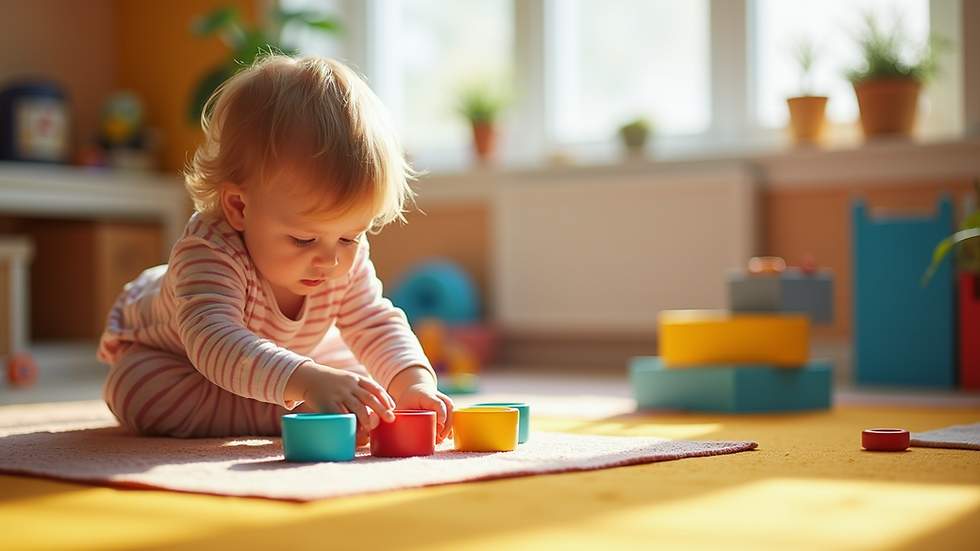
Sensory play areas help children with autism explore their environment in ways that feel natural and enjoyable.
Why Authenticity Matters for Children with Autism
Children with autism often experience pressure to conform to social norms that may not align with their natural behaviors or communication styles. This pressure can lead to frustration, anxiety, and a sense of isolation. When we encourage authenticity, we:
Build self-confidence: Children feel valued for who they are, not who others want them to be.
Support emotional health: Authentic expression reduces stress and helps children manage their feelings.
Enhance learning: When children engage in activities that match their interests and strengths, they learn more effectively.
Strengthen relationships: Genuine interactions foster deeper connections with family, friends, and educators.
Authenticity is not about ignoring challenges or avoiding support. Instead, it means tailoring support to respect the child’s individuality and preferences.
How to Support Authenticity in Everyday Life
Supporting authenticity requires thoughtful observation and flexibility. Here are some practical strategies:
Listen and Observe Carefully
Children with autism may communicate differently, using gestures, sounds, or behaviors that might be misunderstood. Pay close attention to what they are trying to express. For example, a child might flap their hands when excited or use a particular object to communicate comfort.
Create Safe Spaces for Expression
Provide environments where children feel safe to explore their interests and express themselves without judgment. This could be a quiet corner with favorite toys or a routine that includes time for preferred activities.
Encourage Choice and Autonomy
Allow children to make choices about their activities, clothing, or social interactions when possible. This helps them develop a sense of control and ownership over their lives.
Adapt Communication Methods
Use visual supports, sign language, or technology to match the child’s communication style. This shows respect for their way of interacting and reduces frustration.
Celebrate Strengths and Interests
Focus on what the child enjoys and excels at. For example, if a child loves trains, incorporate trains into learning activities or social play. This approach builds motivation and joy.

Engaging children in activities that match their interests supports authentic learning and development.
Challenges and How to Overcome Them
Supporting authenticity can sometimes be challenging. For instance, behaviors that express a child’s true self might be misunderstood as problematic. Here are ways to address common challenges:
Sensory sensitivities: Children might avoid certain environments or stimuli. Modify spaces to reduce overwhelming sounds or lights.
Social expectations: Teach social skills in ways that respect the child’s comfort level, rather than forcing conformity.
Communication barriers: Use multiple communication tools and be patient as the child develops their preferred methods.
External pressures: Educate family members, teachers, and peers about the importance of authenticity to reduce misunderstandings.
By approaching these challenges with empathy and creativity, caregivers and professionals can create supportive environments that honor the child’s individuality.
Real-Life Example: A Journey Toward Authenticity
My son, William, spent much of his middle and high school years being corrected for scripting lines from his favorite cartoons and for flapping his hands in the classroom. These behaviors were often seen as something that needed to be stopped or fixed. At one point, he even had a Functional Behavior Assessment, and his actions were labeled as defiant. As a mother, that label never sat right with me.
Over time—and especially after William graduated and I became more involved in guiding his daily supports—I began to see things more clearly. With my training and through working closely with his caseworker, we realized that William wasn’t being defiant at all. His scripting was actually his way of communicating with the world. The words he borrowed from cartoons helped him express feelings, needs, and thoughts when his own words were still forming.
Once we stopped trying to silence that voice and instead listened to it, everything changed. Many of the behaviors that once caused concern naturally faded. In their place, William’s confidence grew. His vocabulary expanded, his requests became clearer, and his communication blossomed—on his own terms.
This experience taught me an important lesson: sometimes what looks like a behavior is really a message, and when we take the time to understand it, we open the door to connection instead of correction.
The Importance of Community Support
Creating a supportive environment goes beyond the home. It involves the community as well. Engaging with local resources can provide additional support. Look for groups that focus on autism advocacy, education, and social opportunities. These connections can help families feel less isolated and more empowered.
Resources for Further Learning
There are many resources available to help families navigate the journey of supporting children with autism. Consider exploring:
Books: Look for titles that focus on autism acceptance and strategies for supporting authenticity.
Websites: Many organizations offer valuable information and community connections.
Workshops: Attend local workshops or webinars that focus on autism and inclusive practices.
By utilizing these resources, you can enhance your understanding and support for your child’s unique journey.
Conclusion
Supporting authenticity means recognizing that every child with autism has a unique way of experiencing the world. By embracing these differences, we help children grow into confident, happy individuals. Let’s celebrate their uniqueness and create spaces where they can thrive. Together, we can foster an environment that nurtures their true selves and empowers them to shine.


Comments