Understanding the Vagus Nerve: A Guide for Caregivers
- Sandy Moats
- Feb 25
- 4 min read
Updated: Apr 11
When caring for children with disabilities, every bit of knowledge helps us provide better support and comfort. One fascinating area that has gained attention is the role of the vagus nerve. This incredible nerve influences many body functions, including emotional regulation, digestion, and even social engagement. By understanding how the vagus nerve works, we can discover practical ways to help children feel calmer, more connected, and better able to manage their daily challenges.
What Is the Vagus Nerve and Why Does It Matter?
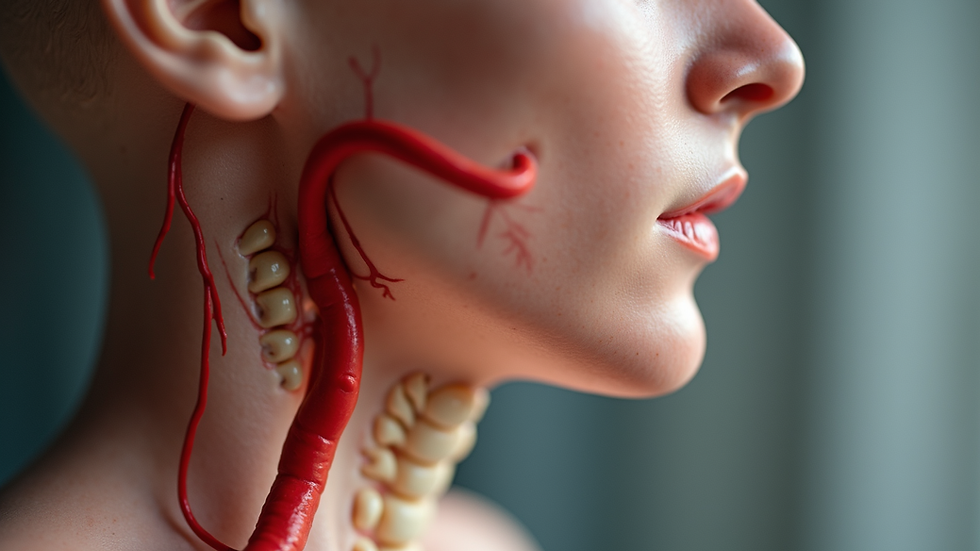
The vagus nerve is one of the longest nerves in the body. It runs from the brainstem down through the neck and into the chest and abdomen. This nerve is part of the parasympathetic nervous system, which helps the body relax and recover after stress.
For children with disabilities, especially those on the autism spectrum, the vagus nerve plays a crucial role. It helps regulate heart rate, breathing, and digestion. Additionally, it influences how children respond to social cues and emotional stress. When the vagus nerve is functioning well, children often feel calmer and more engaged. Conversely, when it’s underactive or overstimulated, they might experience anxiety, digestive issues, or difficulty with social interactions.
Understanding this connection opens up new ways to support children’s well-being beyond traditional therapies.
How Can We Support the Vagus Nerve in Daily Life for Disabilities?
Supporting the vagus nerve doesn’t require medical training. There are simple, natural strategies that caregivers can use to help children feel more balanced and comfortable. Here are some practical ideas:
Breathing exercises: Slow, deep breathing stimulates the vagus nerve and promotes relaxation. Encourage children to take deep breaths in through the nose and out through the mouth. You can make this fun by pretending to blow bubbles or blow out candles.
Gentle touch and massage: Light, rhythmic touch on the neck, back, or feet can activate the vagus nerve. Try gentle shoulder rubs or foot massages during quiet moments.
Singing and humming: The vagus nerve connects to the vocal cords, so singing or humming can stimulate it. Singing favorite songs or humming a calming tune can be soothing.
Warm baths: Warm water helps relax muscles and stimulate the parasympathetic nervous system. A warm bath before bedtime can help children wind down.
Movement and exercise: Activities like yoga, swinging, or gentle rocking can support vagal tone and improve mood.
By incorporating these activities into daily routines, we can help children build resilience and feel more secure.
Recognizing Signs of Vagus Nerve Dysregulation
It’s important to notice when a child might be struggling with vagus nerve function. Some signs include:
Difficulty calming down after excitement or stress
Digestive problems like constipation or stomach pain
Trouble with social engagement or making eye contact
Sensory sensitivities or heightened anxiety
Irregular breathing or heart rate changes
If you observe these signs, it doesn’t mean something is wrong. However, it can be a clue to try vagus nerve-supporting strategies. Always consult healthcare professionals for personalized advice and to rule out other medical concerns.

How This Fits Into a Holistic Care Approach
Supporting the vagus nerve is just one piece of the puzzle. It works best when combined with other therapies and supports tailored to each child’s unique needs. For example:
Speech and occupational therapy can complement vagus nerve stimulation by improving communication and sensory processing.
Behavioral interventions can help children develop coping skills and emotional regulation.
Nutrition and hydration support overall health and nervous system function.
Remember, every child is different. What works well for one might need adjustment for another. The key is to observe, listen, and adapt with patience and kindness.
Moving Forward with Hope and Confidence
Learning about the vagus nerve has been empowering for me, and I hope it is for you too. By understanding this vital nerve and how to support it, we can open new doors to comfort and connection for children with disabilities. Small, consistent actions can make a big difference in their daily lives.
If you want to explore more about supporting children with autism and other disabilities, check out Life After ABA Classroom, a wonderful resource hub dedicated to empowering families, professionals, and caregivers.
Together, we can create a nurturing environment where every child feels seen, supported, and loved.
The Importance of Community Support
Building a supportive community is essential. It allows us to share experiences and strategies. Connecting with others who understand our journey can be incredibly uplifting. We can learn from each other and grow together.
Sharing Resources and Experiences
Sharing resources is vital. Whether it’s books, websites, or local support groups, having access to information can make a significant difference. Let’s encourage one another to seek out and share valuable resources.
Building Connections
Creating connections with other caregivers can provide emotional support. Sometimes, just knowing someone else understands can lighten the load. Consider joining local or online groups focused on autism support.
Celebrating Progress
Every small victory deserves recognition. Celebrate the progress your child makes, no matter how minor it may seem. Acknowledging achievements fosters a positive environment and encourages further growth.
Thank you for joining me on this journey to better understand the vagus nerve and its role in caregiving. Let’s keep learning and growing together!


Comments